
Every year, thousands of Houston high school seniors graduate without a clear next step while thousands of local employers in healthcare, technology, and the trades are scrambling to fill essential, skilled roles.
It’s a disconnect that’s hurting our community, but the solution isn’t complicated. It just requires looking in a different place.
For employers who are ready to think ahead, building a talent pipeline before graduation isn’t just possible, it’s already working in Houston.
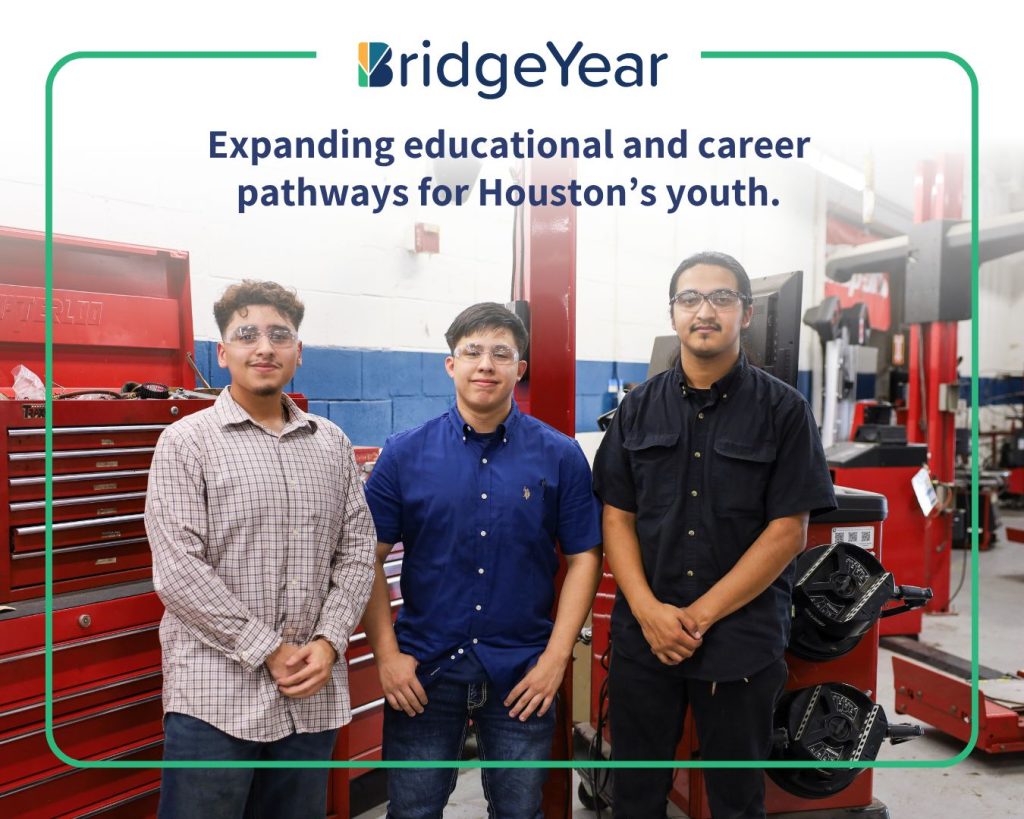
Workforce gaps aren’t going away on their own. According to the U.S. Chamber of Commerce Foundation, 75% of employers struggle to find workers with the right skills.
The most forward-thinking employers in Houston are getting involved early in partnerships with nonprofits, sponsoring hands-on career experiences, and building apprenticeship pathways that create a ready-made workforce pipeline directly from local high schools.
What Is a Talent Pipeline Strategy?
A talent pipeline strategy isn’t about vague outreach; it’s about intentional connection. It means moving away from “wait-and-see” hiring and instead engaging with motivated students while they are still in the classroom.
At BridgeYear, we act as the connector. We help Houston employers reach students who are looking for high-growth, in-demand career paths beyond the traditional four-year college route. By guiding these students into employer-led training, we help companies build a skilled and diverse workforce from the ground up.
5 Ways to Build a Youth Talent Pipeline
1. Shift to Skills-First Hiring
A four-year degree is one path to success, but it isn’t the only one. Open your doors to graduates who have earned industry certifications and possess the hands-on competencies needed to do the job on Day 1.
2. Create “Earn and Learn” Models
Unpaid internships are often out of reach for students who need to contribute to their household income. To attract the best talent, shift toward “earn-and-learn” models.
When you pay students for their training, you lower the barrier to entry and gain an early look at your future top performers. This approach is already a proven strategy in Houston:
- Gulf States Toyota co-collaborated on our Apprenticeship Cohort in Automotive Technology, ensuring students gain high-level technical skills while earning a real wage.
- Memorial Hermann is consistently filling entry-level roles by recruiting directly from our CNA Career Cohort graduates.
- Houston Methodist is our latest partner in this space, where we’ll be training recent high school graduates in the summer for high-demand careers in Sterile Processing Technology.
By embedding these programs into your recruitment strategy, you aren’t just filling a vacancy; you are investing in a workforce that is already vetted, trained, and ready to contribute to your company’s specific needs.
3. Meet Talent Where They Are
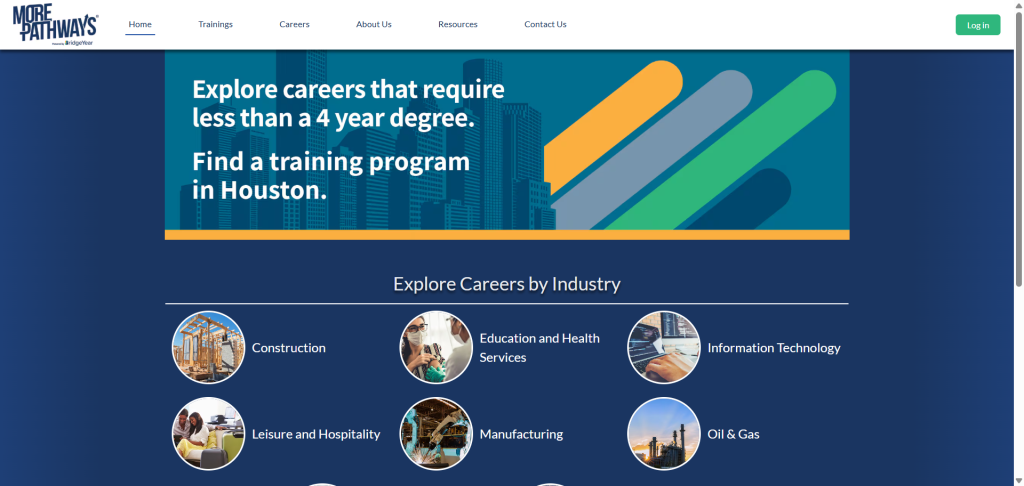
If you have open roles, make sure the next generation can find them. We keep a pulse on what Houston students are looking for, so don’t just rely on standard job boards. Post your opportunities directly to our MorePathways® portal to connect with students who have already expressed interest in your industry.
4. Introduce Students to Your Industry
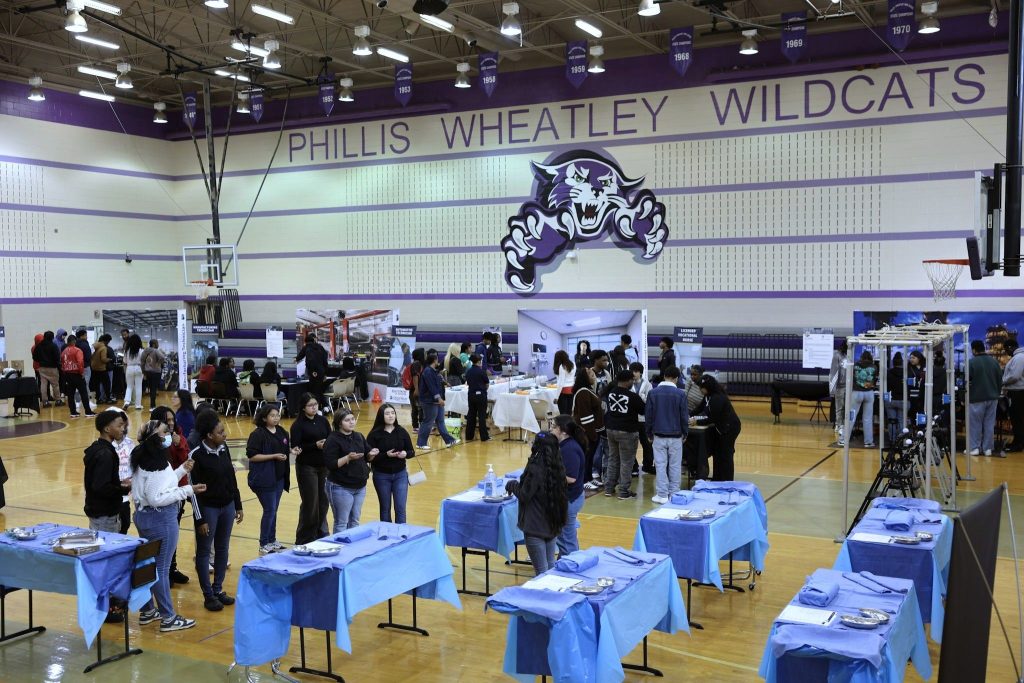
It is difficult for a student to choose a career they’ve never seen. Our Career Test Drive® Program brings the workplace to campus. Through hands-on simulations developed with partners like Memorial Hermann and CenterPoint Energy, students get a real look at what the job actually entails. It builds genuine interest long before the diploma is in hand.
5. Invest in Their Professional Growth
Technical skills are just one piece of the puzzle. Through our ES3 workshops, interview prep, and personalized advising, we prepare students for the professional environment. When you partner with BridgeYear, you aren’t just getting an employee; you’re getting a candidate who understands workplace culture and is ready to contribute.
The Skills Behind the Certificate
Check out these two recent graduates who earned their CompTIA A+ certification after three months of IT training. BridgeYear was with them every step of the way, from midterm study sessions to job placement support.
The ROI of Investing in Local Talent
There is a common misconception that you need a four-year degree to land a high-paying career. Research from the Georgetown Center on Education and the Workforce proves otherwise: short-term, industry-recognized credentials in high-demand fields often lead to earnings that rival or exceed those of bachelor’s degrees.
When you invest in these partnerships, you aren’t just doing “good,” you’re making a smart business move. You reduce your hiring costs, decrease the time it takes to fill specialized roles, and gain access to a pool of candidates who have been vetted and trained with your specific industry standards in mind.
Ready to Build Your Workforce?
BridgeYear makes recruitment simple, strategic, and community-focused. Whether you are looking to co-develop a Career Test Drive® simulation, host an ES3 workshop, or launch an earn-and-learn cohort, we are here to help you build the pipeline your business needs.
Connect with BridgeYear Today.
Related Blogs:
- Apprenticeships as a Workforce Strategy: What Employers Need to Know
- Smarter Way to Hire: Certification Programs vs Traditional Recruitment
- Employer’s Guide to Recruiting Skilled Trade Candidates
FAQs:
1. What is a talent pipeline strategy for employers?
A talent pipeline strategy is a proactive approach where employers identify and develop future workers before they enter the job market. They partner with schools, nonprofits, and training programs to build a ready pool of qualified candidates.
2. How can employers partner with Houston high schools to recruit talent?
Employers can partner through programs like BridgeYear’s Career Test Drive® fair, ES3 Workshops, certification programs, apprenticeship programs, and more. These programs create direct, meaningful connections between employers and high school students exploring career options.
3. How do employers benefit from workforce development nonprofit partnerships? Employers benefit by reducing hiring costs, accessing a pool of pre-trained and career-motivated candidates, building brand recognition in local schools, and addressing workforce shortages in high-demand industries.


